
Connecting Families.
Building Independence.
Strengthening Communities.
Family-centered, evidence-based support for individuals with autism and other intellectual and developmental disabilities — plus supervision and career pathways for the professionals who support them.
Serving Texas, Georgia, North Carolina, Florida & the Philadelphia area
Independence, built where people live, learn, work, and participate
Our mission is to support and promote individual and family independence in the communities where people live, learn, work, and participate.
Our focus is people with autism and other intellectual and developmental disabilities, their families, and young adults — together with the schools, professionals, and community organizations that support them.
What guides our work
-
Family-centered
Families are partners. Plans reflect your priorities, routines, and culture.
-
Evidence-based
Strategies grounded in behavior analysis and guided by real progress data.
-
Individualized
Every plan starts from the person’s strengths, preferences, and goals.
-
Community-focused
Skills are built where life happens — home, school, work, and community.
Our approach
Four connected areas, each strengthening the others.
- Direct services
- Workforce development
- Professional training
- Community partnerships
Our Vision
A community where every individual and family can develop independence, maintain the skills they have worked hard to build, and participate meaningfully in the places and relationships that matter most to them.
Connecting the dots for everyone in a person’s circle
Individuals with autism and other intellectual and developmental disabilities are at the center — and we support the people and places around them, too.
-
Children & Teens
With autism and other IDD — skill-building at home, school, and in the community.
-
Young Adults
Transition, job readiness, and confident community navigation.
-
Families & Caregivers
Respite and true partnership every step of the way.
-
Schools
Practical training and collaboration for teachers and school teams.
-
Professionals
RBT pathways, BCBA supervision, and staff development.
-
Community Organizations
Partnerships, internships, and volunteer opportunities.
Five pillars of support
Every service begins with a conversation about strengths, needs, and goals. From there we build an individualized plan — and adjust it as life changes.
-
Family Support
Respite care and support for full participation in community life.
What to expect -
Behavioral & ABA Services
Individualized skill development and behavioral support, guided by data.
What to expect -
Young Adult & Transition
Employment readiness and confident community navigation.
What to expect -
Professional Training
BCBA fieldwork supervision, RBT pathways, and staff and school training.
BCBA supervision -
Community Impact
Partnerships, internships, volunteering, and workforce pathways — with future funding initiatives to widen access.
Partner with us
What to expect in each program
Intake
We learn about your family, the services you’re interested in, how services will be funded, and your general goals.
Eligibility review
We confirm the licensure, credentialing, funding, and program requirements that apply to your state and service.
Needs review
Together we identify strengths, priorities, safety considerations, and functional goals.
Individualized plan
Measurable goals, the supports you’ll receive, how often, and who’s on your team.
Services begin
Respite and community-participation supports, as authorized.
Ongoing monitoring
We document services, review progress, ask for your feedback, and update the plan.
Referral
From you, a physician, school, or other provider.
Screening
A quick check on fit, goals, location, and funding.
Consent
We review scope, privacy, and what services involve.
Assessment
We learn how the person communicates, learns, and responds in daily routines.
Treatment plan
Individualized, measurable goals built with your family.
Services
Teaching and support at home and in the community.
Progress monitoring
Data-based decisions and regular check-ins with you.
Interventions are function-informed when clinically appropriate. With your permission, we coordinate with schools and other providers so everyone works from the same plan.
Getting started
Referral, an interest inventory, and a review of strengths and preferences.
Skill assessment
Job readiness, communication, community navigation, and social skills.
Training
Step-by-step teaching, modeling, rehearsal, and feedback — practiced in real settings.
Community partners
Connections with schools, colleges, employers, nonprofits, and community organizations.
Work experiences
Internships, volunteer opportunities, workplace practice, and supported transitions.
Tracking outcomes
Attendance, independence, communication and social skills, and employment or education milestones.
Service availability varies by state, program, and funding source. Regulated services are provided in line with applicable state licensure and current BACB requirements — ask us what’s available where you live.
Your journey with us
From your first message to ongoing support — here’s what happens, and when.
- 1
Send an inquiry
Share the basics online or by email. Please skip detailed medical or clinical history for now.
- 2
We respond
We aim to reach out within 24–48 business hours.
- 3
Brief screening
A 10–15 minute video or phone call about fit, location, services, and funding.
- 4
Eligibility & availability
We confirm licensure, credentialing, payer, staffing, and program capacity for your area.
- 5
Intake & consent
We walk through scope, expectations, privacy, fees or coverage, and how we’ll communicate.
- 6
Assessment & planning
As appropriate to your program, we assess and build your individualized plan.
- 7
Services launch
Your schedule and team are set, and services begin.
- 8
Ongoing review
We review progress, data, and your satisfaction — and update the plan together.
Food Selectivity Program
When mealtimes are a daily struggle — a very short list of accepted foods, stressful routines at the table — we help families expand variety and reduce mealtime stress with systematic, family-centered strategies.
How the program works
Intake
Eating history, your concerns, mealtime routines, preferences, and current supports.
Assessment
We look at behavioral, skill, environmental, and medical considerations — and refer out when something is outside our scope.
Treatment plan
Measurable food-related goals and individualized intervention procedures.
Implementation
Systematic skill building and data collection, with your family involved every step of the way.
Monitoring & generalization
We review progress, adjust procedures, and plan for success with different people and in different settings.
BCBA Fieldwork Supervision
Individualized supervision for trainees accruing fieldwork hours toward BCBA certification — built around your goals, your setting, and current BACB requirements.
-
BCBA Supervision
Standard Fieldwork
$300per monthFor trainees completing the BACB’s 2,000-hour Supervised Fieldwork option.
- Individualized supervision plan
- Regular supervision and feedback on your client work
- Monthly review and verification of your fieldwork hours
-
BCBA Supervision
Concentrated Fieldwork
$400per monthFor trainees completing the BACB’s 1,500-hour Concentrated Supervised Fieldwork option, which requires a higher share of supervised hours.
- Individualized supervision plan
- More frequent supervision and feedback on your client work
- Monthly review and verification of your fieldwork hours
How supervision starts
Inquire
Send a short inquiry about where you are in your coursework and hours.
Screening call
A 15–30 minute video or phone call about what you need, your setting, and your goals.
Confirm fit
If it’s a good match, we sign a supervision contract — the BACB requires one before hours count.
Begin & pay monthly
Supervision starts, and you pay each month through a secure online link.
No payment is taken until after your screening and signed contract. Not sure which fieldwork type fits? We’ll talk it through on the call. Supervision follows current BACB requirements, including the updated BCBA requirements taking effect January 1, 2027.
Partner with us
We work with organizations that want more opportunity for the people we serve — and a stronger pipeline of professionals to support them.
- High schools
- Colleges & universities
- Private schools
- ABA providers
- Employers
- Nonprofits
- Community organizations
Ways to partner
Host opportunities
Internships, work-experience placements, and volunteer roles for young adults and students.
Collaborate on programs
Referral partnerships, staff and school training, and small pilot programs.
Build the workforce
Hiring pathways for young adults and future behavior technicians — or sponsor a student.
How it works
Define shared goals
Who it serves, who does what, and how we’ll measure success.
Start with a pilot
A small group, a set timeline, and regular check-ins.
Put it in writing
Agreements, permissions, insurance, and privacy, documented up front.
Evaluate & grow
We review results together and decide whether to expand, adjust, or wrap up.
Ready to explore a partnership?
Tell us about your organization and what you have in mind. Individuals interested in volunteering or interning are welcome too — just choose “Individual” on the form.
Sponsor the professionals our families are waiting for
Fund training, mentorship, and career readiness for students entering the behavior-analytic field, so more families get skilled support closer to home.
- $25,000+Pathway Sponsor
- $10,000Future Leader Sponsor
- $5,000Workforce Champion
- $2,500Student Scholarship Sponsor
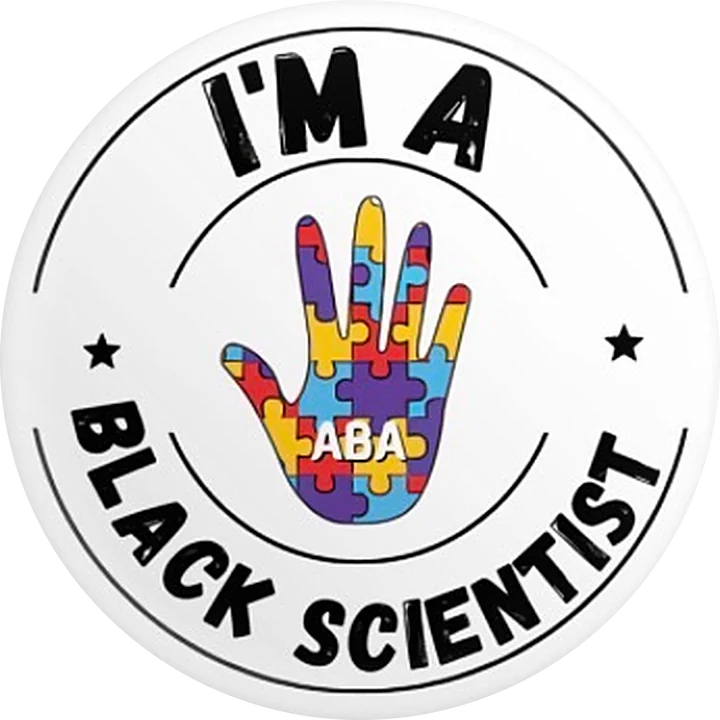
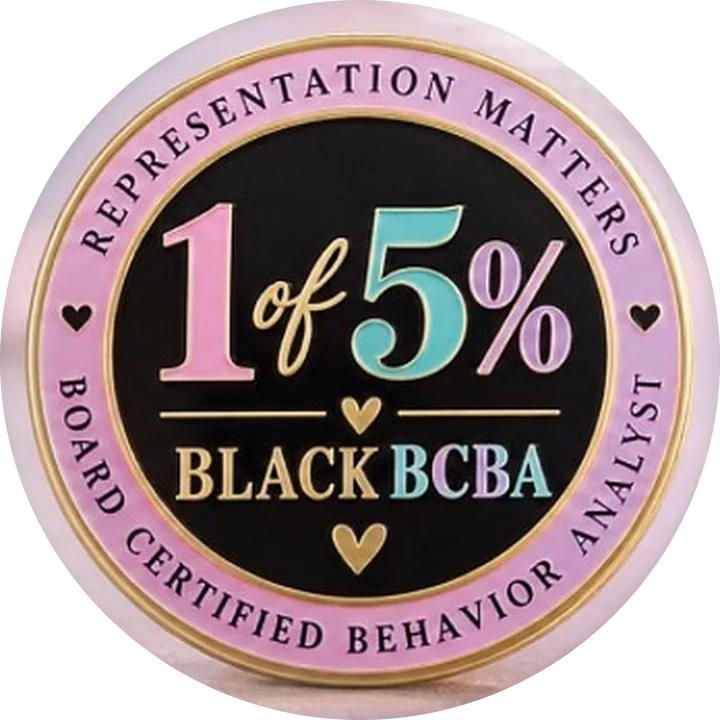
Representation you can wear.
Buttons designed by Ashley, from $10 with free US shipping. Every purchase supports an AfroLatina-owned practice and helps fund the Student-to-Career Pathway.
Let’s connect
Tell us a little about what you’re looking for. There’s no obligation — just a conversation about how we can help.
- We aim to respond within 24–48 business hours, by the method you prefer.
- Next comes a brief 10–15 minute screening call — no obligation.
- Your information is kept confidential and used only to respond to you.
- Serving Texas, Georgia, North Carolina, Florida, and the Philadelphia area. Availability varies by state and service.
Prefer to reach out directly?
Ashley I. Brown, M.Ed., BCBA, LBS, IBA, LBA
Please don’t include diagnoses, medical records, or detailed behavioral history in these forms — we’ll gather what we need securely during intake.
Thank you, friend!
We’ve received your inquiry.